TECH SHARE - TECH INSIGHTS - EXPLORE MORE KNOW
Electronic Parking Brake (EPB)
The electronic parking brake is a technology that achieves parking braking through electronic control. Its working principle is the same as that of a mechanical handbrake—both rely on the friction generated between the brake disc and brake pads to control parking braking—except that the control method has shifted from a mechanical handbrake lever to an electronic button.
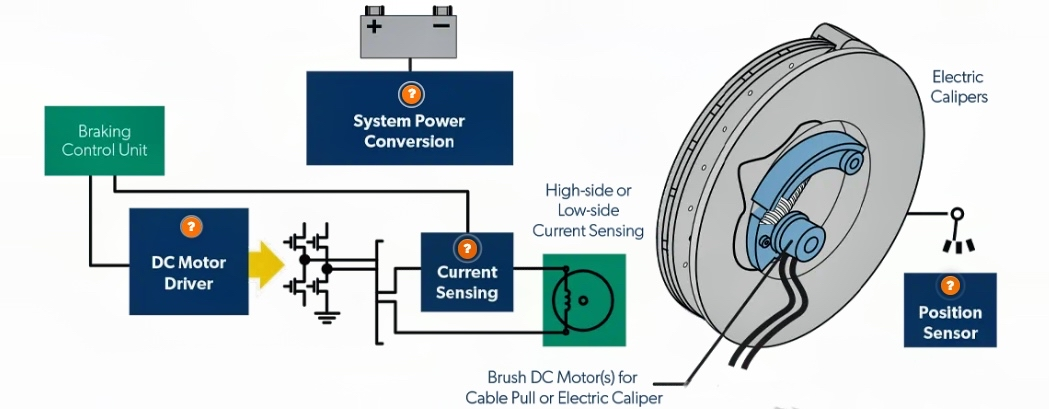
The electronic parking brake, also known as the Electronic Park Brake (EPB), integrates the temporary braking function during driving with the long-term parking brake function, all controlled electronically.
The electronic parking brake has evolved from a basic parking function to include Auto Hold (AUTO HOLD).
The application of Auto Hold technology eliminates the need for drivers to maintain prolonged braking when the vehicle is stationary. When the automatic electronic parking brake is engaged, it prevents unnecessary vehicle rolling.
With a traditional handbrake, starting on a slope requires the driver to manually release the brake or skillfully coordinate the throttle and clutch for a smooth start. However, the Auto Hold function uses a slope sensor to provide precise braking force via the control unit. During startup, the parking control unit calculates data from the clutch travel sensor, clutch engagement speed sensor, and throttle pedal sensor. When the driving force exceeds the rolling resistance, the parking brake is automatically released, ensuring a smooth start.
Even in stop-and-go city traffic, enabling Auto Hold activates the corresponding automatic parking function. The intelligent Auto Hold system automatically applies braking to all four wheels when waiting at traffic lights or stopping on slopes. Whether in Drive (D) or Neutral (N), there’s no need to keep your foot on the brake or use the handbrake—the vehicle remains stationary. To resume driving, simply press the throttle lightly to release the brake.
1.Enhanced Active Safety
During emergency braking while driving, the EPB intelligently distributes braking force based on speed, avoiding the risk of skidding caused by traditional handbrakes locking the rear wheels.
If the driver loses consciousness or the brakes fail, holding the EPB button can gradually slow the vehicle to 6 km/h, improving safety.
2.Improved Convenience & Reduced Driver Fatigue
Auto Hold automatically maintains braking in traffic jams or at red lights, eliminating the need for prolonged brake pedal or handbrake use, reducing strain on the right foot and hand.
No need to pull hard like a traditional handbrake, preventing rollback due to insufficient force.
3.Higher Intelligence & Integration
Works in conjunction with ESP, ABS, and other systems for more stable braking performance.
Pressing the throttle automatically releases the parking brake, simplifying operations (e.g., easier hill starts).
4.Emergency Operation by Passengers
The button placement is more flexible, allowing passengers to assist in braking during emergencies.
1.Higher Risk of Accidental Activation
Pressing the button while driving may briefly lock the rear wheels, affecting handling (though pressing the throttle can cancel it, minimizing impact).
Traditional handbrakes have a lower accidental activation risk.
2.Dependence on Electrical & Electronic Systems
If the battery is dead or the electronic system fails, the EPB may not engage or disengage (some models have an emergency mechanical release).
3.Higher Repair Costs
More complex structure leads to higher repair costs compared to traditional handbrakes.
4.Reduced Driving Fun
Cannot be used for drifting or handbrake turns, unlike traditional handbrakes (less appealing for performance car enthusiasts).
One of the key advantages of electromagnetic brake parking is its ability to provide precise control over the brake engagement. This is achieved through the use of electromagnets to generate the necessary force to hold the vehicle stationary. When the parking brake is engaged, the electromagnets create a strong magnetic field that pulls the brake mechanism into contact with the vehicle's wheels, preventing them from moving. This level of control allows for a smooth and reliable parking experience, ensuring the vehicle remains securely in place.
In addition to precise control, electromagnetic brake parking also offers improved safety features compared to traditional mechanical systems. The use of electromagnets allows for quicker response times and a more consistent braking force, reducing the risk of rolling or sliding when parked on inclines or uneven surfaces. This is especially important in emergency situations where the parking brake needs to engage quickly and reliably to prevent accidents. By offering improved safety features, electromagnetic brake parking enhances the overall driving experience and provides peace of mind for vehicle owners.
Another benefit of electromagnetic brake parking is the reduction in maintenance and repair costs over time. Traditional mechanical parking brakes are prone to wear and tear, requiring regular adjustments and replacement of components to ensure proper functioning. In contrast, electromagnetic brake systems are designed to be more durable and require less frequent maintenance. The use of electromagnets and electronic control systems reduces the need for manual adjustments and repairs, leading to cost savings for vehicle owners. This makes electromagnetic brake parking a cost-effective solution for vehicle manufacturers and owners alike.
From a technological perspective, electromagnetic brake parking represents a significant advancement in vehicle design and engineering. The integration of electromagnets and electronic control systems requires precise engineering and advanced manufacturing techniques to ensure optimal performance and reliability.This level of complexity and sophistication sets electromagnetic brake parking apart from traditional mechanical systems, showcasing the innovative capabilities of modern automotive technology. Furthermore, ongoing research and development in the field of electromagnetic technology continue to drive improvements and advancements in brake parking systems, further solidifying its place as a cornerstone of modern vehicle safety and performance.
In conclusion, the principle of electromagnetic brake parking represents a significant advancement in vehicle safety, performance, and technology. By providing precise control, improved safety features, cost-effectiveness, and technological sophistication, electromagnetic brake parking has become a fundamental aspect of modern vehicle design and operation.As ongoing research and development continue to enhance and refine this technology, electromagnetic brake parking will undoubtedly remain at the forefront of automotive innovation and advancement.
Gear Quality Grades of Integrated Drive Axles and Benefits of Full Gear Grinding
Gear quality is typically classified according to international standards (e.g., AGMA, ISO, DIN) or industry specifications. Common grades include:
Standard Grade (Class 8-9)
Suitable for low-speed, low-load applications such as agricultural machinery or low-end commercial vehicles.
Higher tooth surface roughness with moderate noise and vibration control.
Medium Grade (Class 6-7)
Used for moderate load and speed applications, such as standard commercial vehicles or construction machinery.
Features improved precision and durability through finish hobbing or preliminary grinding.
High-Precision Grade (Class 4-5)
Designed for high-speed, heavy-load, or high-reliability applications, such as premium passenger vehicles and heavy-duty trucks.
Minimal tooth profile error, requires grinding process, offers low noise and extended lifespan.
Ultra-Precision Grade (Class 1-3)
Applied in high-performance vehicles (e.g., race cars, EVs) or specialized industrial fields.
Requires full grinding and special heat treatment, achieving micron-level precision and ultra-high transmission efficiency.
II. Benefits of Full Gear Grinding
Full gear grinding (complete tooth profile grinding) provides significant advantages over conventional methods like hobbing or shaving:
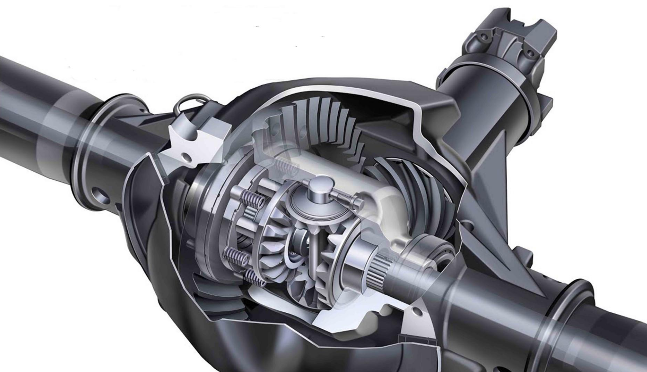
1.Higher Precision
Controls tooth profile and alignment errors at micron levels, ensuring smoother meshing and reduced transmission shock.
2.Lower Noise & Vibration
Achieves superior surface finish (lower Ra value), reducing gear meshing noise by 3–5 dB.
3.Enhanced Strength & Durability
Eliminates heat treatment distortions, optimizes residual stress distribution, and extends fatigue life by over 30%.
4.Optimized Contact Pattern
Enables precise contact zone modification, minimizing edge stress concentration and preventing premature pitting.
5.Superior Performance in Demanding Conditions
Ideal for high-speed (>3000 rpm), high-torque, or low-lubrication scenarios (e.g., electric vehicles).
1.Optimize Gear Design:
Tooth Profile & Helix Angle: Optimize gear tooth profile and helix angle to minimize meshing impact and noise.
Surface Finish: Reduce gear surface roughness to decrease friction and noise.
Gear Precision: Improve manufacturing accuracy to reduce meshing errors and noise.
Gear Material: Select materials with good wear resistance and low-noise characteristics.
2.Improve Bearings & Seals:
Bearing Selection: Use low-noise, high-precision bearings and ensure proper installation.
Seal Selection: Choose appropriate seals to prevent noise leakage and external noise ingress.
3.Use Vibration Damping & Sound Absorption Materials:
Damping Pads: Install vibration-damping pads between the axle housing and chassis to reduce vibration transfer.
Sound-Absorbing Materials: Apply sound-absorbing materials around the axle to minimize noise propagation.
Enclosed Housing: Use a noise-insulating housing to further reduce noise emissions.
4.Select the Right Lubricant:
Viscosity: Choose the optimal lubricant viscosity to ensure proper gear and bearing lubrication, reducing friction and noise.
Additives: Use additives with anti-wear and noise-reduction properties to enhance lubricant performance.
5.Additional Measures:
Regular Maintenance: Periodically inspect and replace lubricants to maintain axle condition and minimize noise.
Drivetrain Optimization: Optimize the entire drivetrain design to reduce noise transmission.
Driving Habits: Smooth driving (avoiding sudden acceleration/braking) can also help reduce noise.
By implementing these measures, drive axle noise can be effectively controlled, improving vehicle comfort.
The advantages of double-layer winding
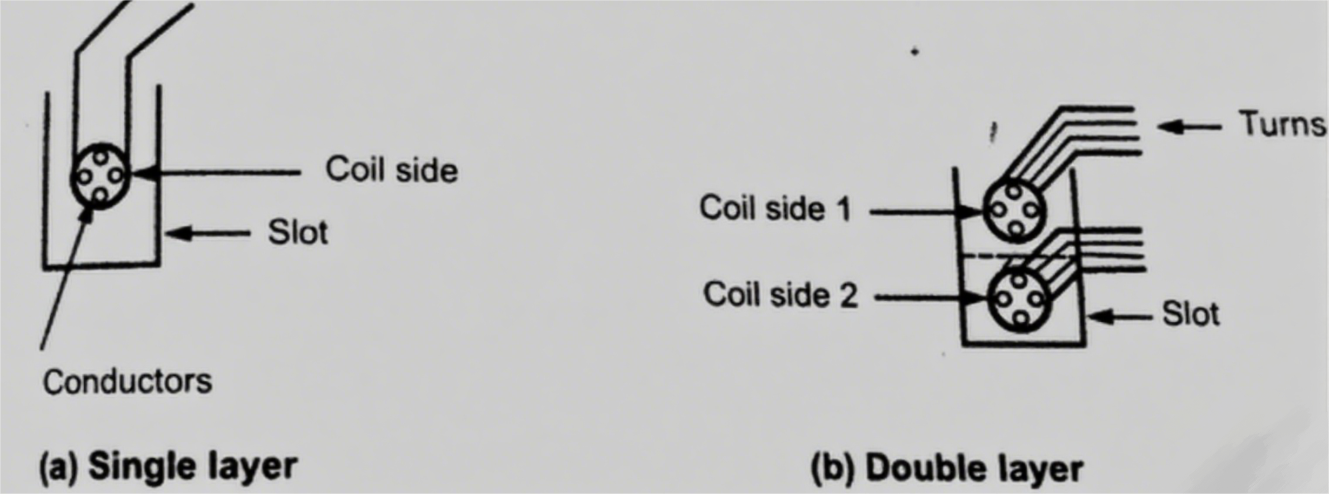
If a slot consists of only one coil side, winding is said to be a single layer. This is shown in figure(a). While there are two coil sides per slot, one, at the bottom and one at the top the winding is called double layer as shown in figure(b).A lot of space gets wasted in single layer hence in practice generally double layer winding is preferred.
Double-layer winding offer a variety of significant advantages, which not only enhance the operational performance of electric motors but also optimize their design and manufacturing processes.
First, in terms of electromotive force (EMF), the adoption of double-layer winding results in an EMF waveform that more closely approximates a sine wave, with significantly reduced harmonic content. This leads to smoother motor operation while mitigating vibration and noise issues.
Second, the design of double-layer winding helps reduce energy consumption and temperature rise in motors. Compared to single-layer winding, double-layer winding enable a more uniform magnetic field distribution, thereby reducing core losses and stray losses, which in turn lowers energy consumption and temperature rise. This design optimization ensures that the motor maintains efficient and stable performance during prolonged operation.
Additionally, double-layer winding can significantly improve motor efficiency. Since their EMF more closely resembles a sine wave, the harmonic content in the magnetic flux is reduced, thereby decreasing eddy current losses in the core and copper losses in the stator and rotor conductors. These improvements not only enhance motor efficiency but also extend the motor's service life.
Moreover, the double-layer winding structure effectively reduces the motor's size and weight. Compared to single-layer winding, double-layer winding occupy less space, resulting in a more compact motor design. This space-efficient approach not only improves spatial utilization but also makes the motor more suitable for a wide range of applications, particularly in scenarios with strict size and weight requirements.
In summary, the numerous advantages of double-layer winding make them a preferred solution in modern motor design. Whether considering operational performance, energy efficiency, or compact design, double-layer winding demonstrate outstanding benefits, leading to their widespread adoption in the motor manufacturing industry.
The Precision Behind SIAECOSYS Fully Ground Gearbox
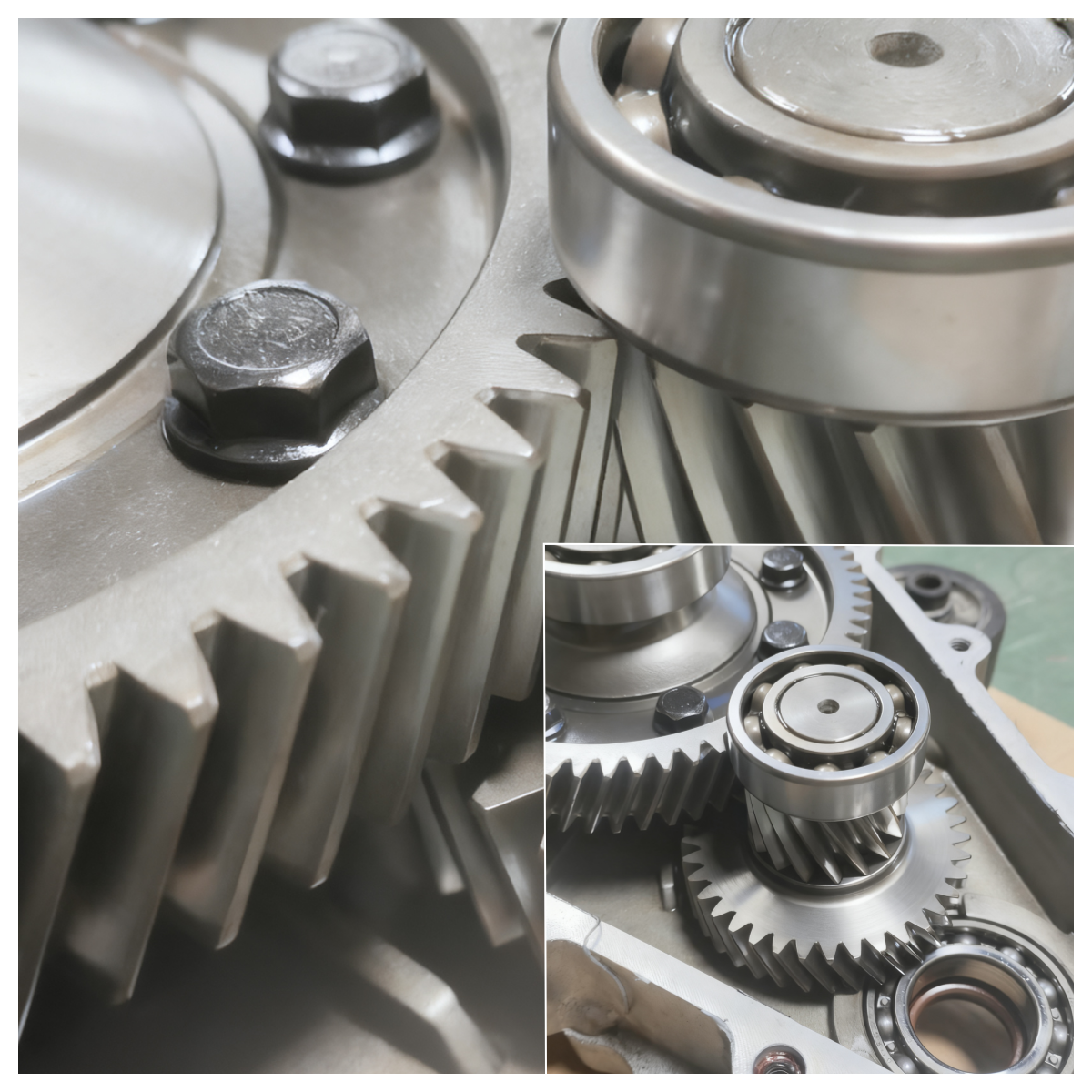
In modern electric drive systems, gearbox technology is a key factor that determines performance, efficiency, and driving comfort. At SIAECOSYS, we are proud to introduce our latest fully ground gearbox, where every gear is precisely ground and engineered for durability, stability, and quiet operation.
In the fully meshing gearbox of SIAECOSYS, by appropriately matching the sizes of the driving gear disk and the driven gear disk, a stronger torque output can be achieved. SIAECOSYS can achieve the best balance between power and efficiency, meeting the requirements of different vehicle models and operating conditions.
All gears in the SIAECOSYS gearbox are manufactured using full gear grinding technology.
This process refines every tooth surface to a micron-level finish, greatly improving meshing accuracy, reducing noise and vibration, and extending gear lifespan.
The result is a gearbox that runs smoother, quieter, and more efficiently — even under heavy load and continuous operation.
The SIAECOSYS fully ground gearbox embodies our pursuit of precision manufacturing and product excellence.
Through advanced grinding processes and meticulous engineering, we provide customers with high-efficiency, low-noise, and long-lasting electric drive solutions — powering the next generation of intelligent mobility.
Motor Testing and Leakage Analysis
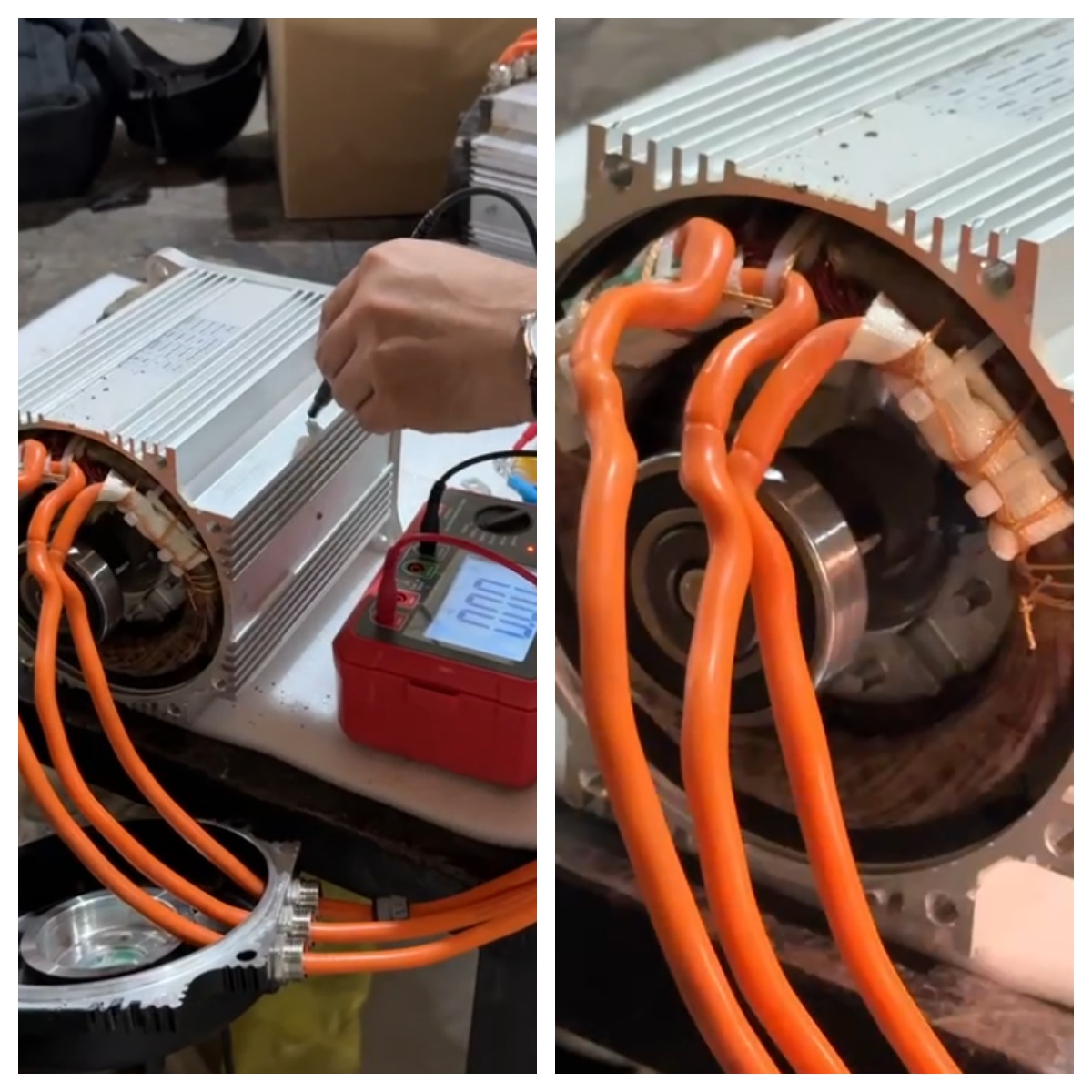
Our engineers are currently working with the customer’s engineers to perform motor testing.
The motor is disassembled, and specialized instruments are used to inspect the motor casing, focusing on identifying any leakage issues.
Through this process, we are able to accurately detect any potential leakage risks and conduct a thorough leakage analysis.
This work helps ensure the safety and performance of the motor, preventing issues such as current leakage during actual operation, thus improving the stability and reliability of the equipment.
Controller Testing and Leakage Analysis
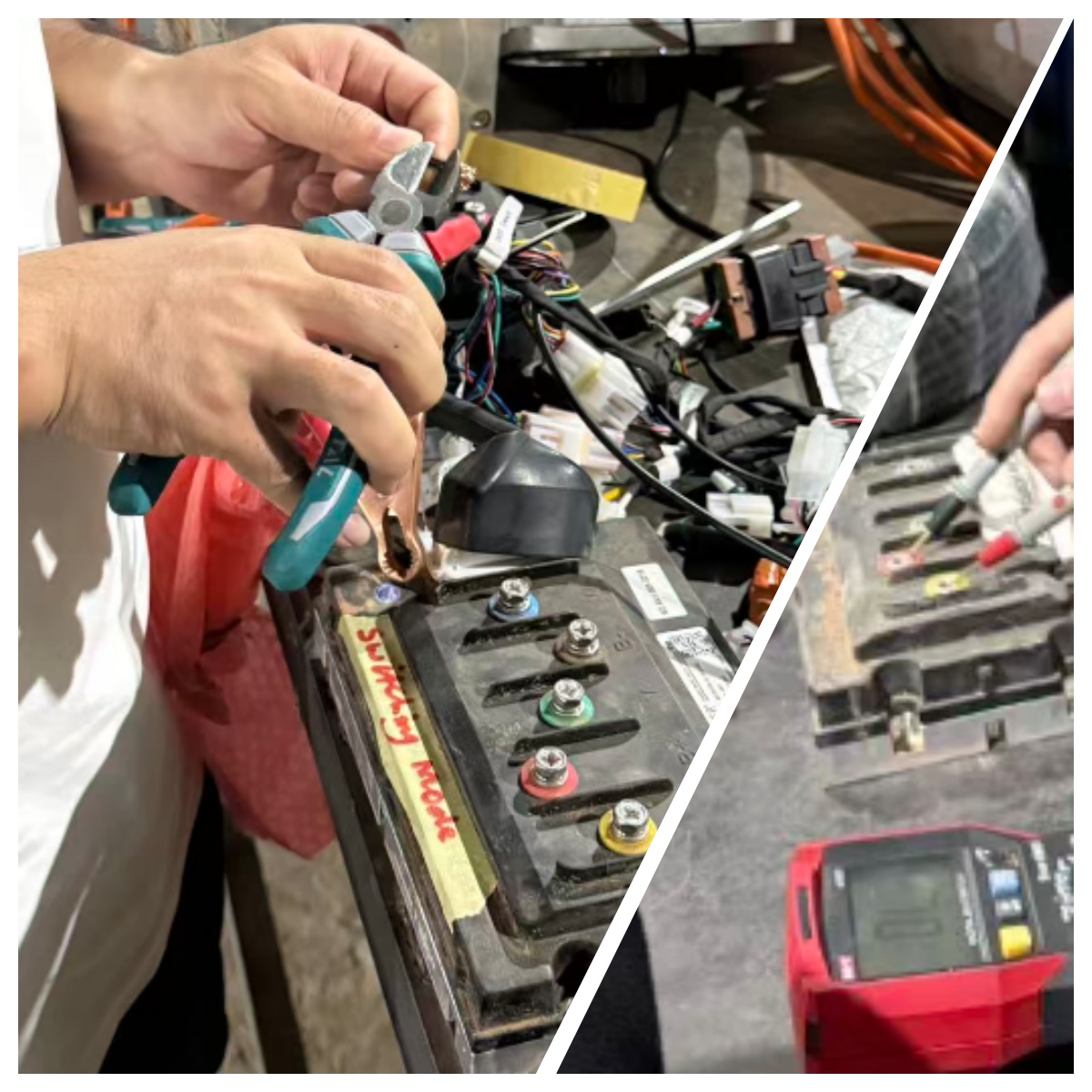
During the controller inspection process, our engineers employed advanced detection equipment and specialized instruments to conduct detailed analysis and diagnosis of malfunctioning or performance-deviating controllers. Through precise measurements and data collection, the engineers gained a comprehensive understanding of the operational status of each controller, enabling them to identify potential issues and provide solutions in a timely manner.
Alongside the technical inspection work, we also placed great emphasis on communication and interaction with our clients, organizing targeted training sessions to enhance their understanding of controller knowledge.
The training covered not only the basic principles of controllers and common fault diagnosis methods but also the inspection processes, operational techniques, and the proper use of equipment.
By combining theoretical learning with hands-on practice, the clients were able to master the inspection skills and become more proficient in handling various issues encountered in their daily tasks.
In the practical sessions, clients actively participated in equipment inspection and fault troubleshooting, gradually improving their hands-on capabilities and problem-solving skills. This comprehensive training approach not only enhanced the clients' understanding of controller inspection but also boosted their confidence and competence in dealing with complex problems in real-world scenarios.
As electric powertrain technology continues to evolve, AC motors and PMSM motors are both widely used in electric vehicles and tricycle systems.
Although both convert electrical energy into mechanical power, their performance characteristics, efficiency, and application scenarios are quite different.
AC motors, commonly referring to asynchronous or induction motors, generate rotation through electromagnetic induction.
Simple and durable structure
Lower manufacturing cost
Strong reliability in demanding environments
Lower maintenance requirements
Lower efficiency compared with PMSM motors
Higher energy consumption
Reduced performance at low speeds
AC motors are suitable for:
Cargo tricycles
Heavy-load transportation vehicles
Industrial and utility applications
Cost-sensitive vehicle platforms
Their durability and cost advantages make them ideal for vehicles focused on practicality and load capacity.
PMSM (Permanent Magnet Synchronous Motor) uses permanent magnets inside the rotor to achieve highly efficient and precise motor control.
Higher energy efficiency
Strong acceleration and torque response
Lower operating noise
Better overall driving experience
More compact and lightweight design
Higher production cost
More complex control systems
Higher material cost due to permanent magnets
PMSM motors are commonly used in:
High-efficiency electric tricycles
Urban delivery vehicles
Passenger-oriented electric vehicles
Models focused on range and comfort
They are especially suitable for applications requiring smooth performance, energy savings, and quieter operation.
There is no single “best” motor solution — the right choice depends on vehicle requirements and usage conditions.
For durability, heavy loads, and lower cost, AC motors remain a reliable choice.
For higher efficiency, quieter operation, and improved driving performance, PMSM motors offer clear advantages.
Choosing the correct motor should always be based on complete system matching, including vehicle type, load conditions, controller calibration, and powertrain design.
Both AC motors and PMSM motors play important roles in modern electric vehicle development.
Understanding their differences helps manufacturers and customers choose the most suitable solution for performance, efficiency, and long-term reliability.
As electric tricycle technology continues to advance, motor selection will remain a key factor in overall vehicle performance.
 SiAECOSYS-SEVS